


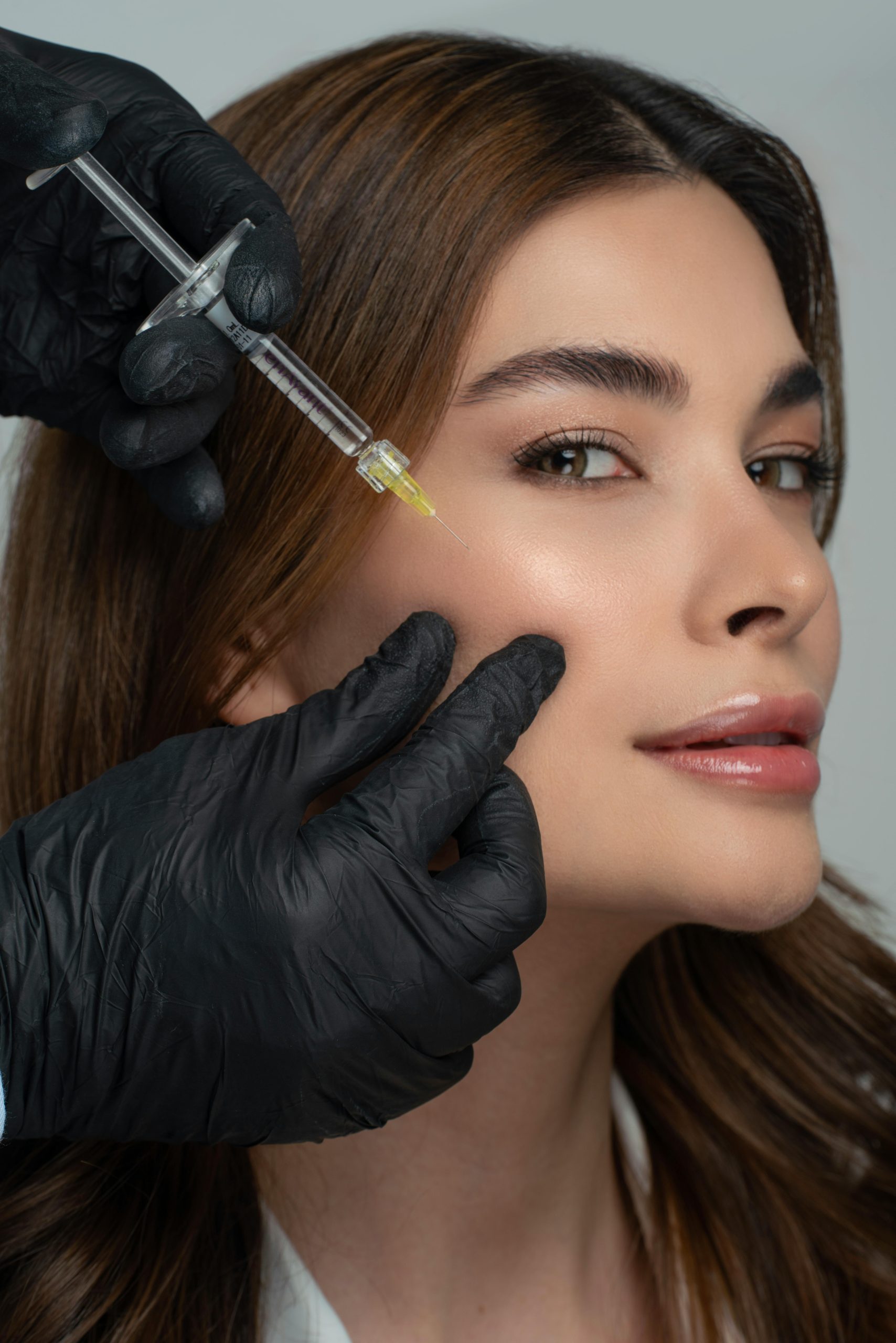
PRP Microneedling vs Regular Microneedling: What’s the Difference and Is It Worth It?
If you’ve been researching treatments for acne scars, fine lines, enlarged pores, or overall skin rejuvenation, you’ve probably come across both traditional microneedling and PRP treatments.
At first glance, they seem very similar.
Both treatments use tiny needles to create controlled micro-injuries in the skin. Both stimulate collagen production.
Both can improve skin texture and overall skin quality.
So what exactly does PRP add?
And more importantly:
Is PRP microneedling actually worth the additional cost?
The answer depends on your skin concerns, goals, and expectations.
If you’re considering microneedling in Staten Island, here’s what you should know before deciding which option is right for you.
What Is Microneedling?
Microneedling is a minimally invasive treatment that creates thousands of microscopic channels in the skin using fine needles.
These controlled micro-injuries trigger the body’s natural healing response, which stimulates the production of:
- Collagen
- Elastin
- New skin cells
As the skin repairs itself, patients often notice improvements in:
- Fine lines
- Acne scars
- Enlarged pores
- Skin texture
- Skin tone
- Mild skin laxity
Because collagen production continues for weeks after treatment, results typically improve gradually over time.
What Is PRP Microneedling?
PRP stands for Platelet-Rich Plasma.
The treatment begins with a small blood draw.
The blood is processed in a centrifuge to separate the platelet-rich plasma from other blood components.
This concentrated plasma contains growth factors naturally found in your own blood.
After microneedling is performed, the PRP is applied to the skin, allowing those growth factors to penetrate through the microchannels created during treatment.
Because PRP comes from your own body, there is no risk of allergic reaction to the product itself.
What Does PRP Actually Do?
This is where many patients get confused.
PRP is not replacing microneedling.
The microneedling treatment is still doing the majority of the work by stimulating collagen production.
PRP is intended to enhance the healing process and provide additional growth factors that may support tissue repair and regeneration.
Think of it as an upgrade to an already effective treatment rather than a completely different procedure.
What Skin Concerns Respond Best to PRP Microneedling?
While both treatments can improve overall skin quality, PRP is often chosen for patients concerned with:
Acne Scars
Acne scars can be difficult to treat because they involve structural changes within the skin.
Many patients choose PRP microneedling because the additional growth factors may support collagen remodeling during the healing process.
Fine Lines and Early Aging
Patients looking to improve early signs of aging often choose PRP microneedling to help maximize collagen stimulation.
Dull or Crepey Skin
PRP may help support healthier-looking skin by enhancing the skin’s natural repair mechanisms.
Under-Eye Rejuvenation
Some patients choose PRP treatments around the eye area because of concerns about thin skin, crepey texture, and early aging.
When Is Regular Microneedling Enough?
This is a question many medspas avoid answering.
The truth is that regular microneedling alone can produce excellent results.
For patients primarily looking to improve:
- Skin texture
- Mild acne scarring
- Enlarged pores
- Overall skin quality
Traditional microneedling may be more than sufficient.
Not every patient needs PRP.
The best treatment depends on your goals and skin condition.
Does PRP Microneedling Hurt More?
Most patients find both treatments very tolerable.
A topical numbing cream is typically applied before treatment.
The addition of PRP does not significantly increase discomfort.
Most patients describe the procedure as feeling slightly scratchy or mildly uncomfortable rather than painful.
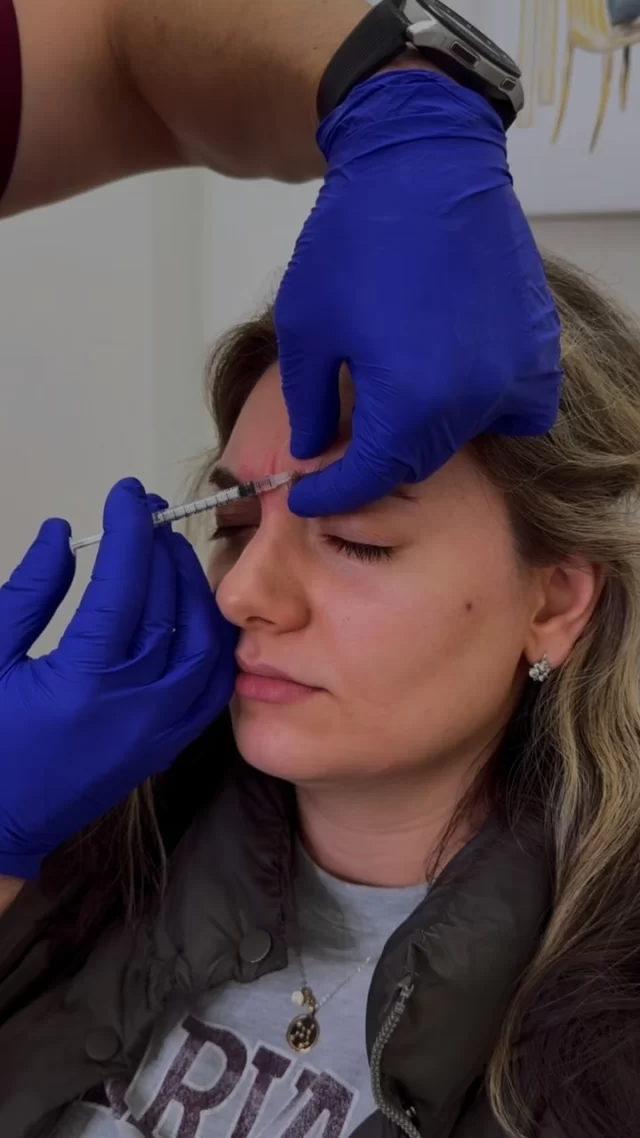
What Is Recovery Like?
Recovery is similar for both treatments.
Immediately afterward, most patients experience:
- Redness
- Mild swelling
- Skin sensitivity
- Warmth similar to a sunburn
These effects typically improve within a few days.
Many patients return to normal activities within 24 to 48 hours.
Your provider will give specific post-treatment instructions to support proper healing.


How Many Treatments Will I Need?
This depends on your concerns.
For general skin rejuvenation, many patients begin with a series of three treatments.
Patients with acne scars or more significant skin concerns may benefit from additional sessions.
Because collagen production takes time, improvements continue developing for several months after treatment.
Is PRP Microneedling Worth the Extra Cost?
For some patients, absolutely.
For others, traditional microneedling may provide everything they need.
PRP is often worth considering if your primary concerns include:
- Acne scarring
- Advanced signs of aging
- Significant skin texture issues
- More aggressive skin rejuvenation goals
However, patients seeking general collagen stimulation and skin maintenance may still achieve excellent results with traditional microneedling.
A consultation is often the best way to determine whether the additional investment makes sense for your goals.
PRP Microneedling in Staten Island at The Beautie Bar
At The Beautie Bar, every skin treatment is customized to the patient’s individual concerns and goals.
Whether you’re considering traditional microneedling or PRP microneedling, we’ll evaluate your skin, discuss your concerns, and recommend a treatment plan designed specifically for you.
Our goal is never to recommend more treatment than you need.
It’s to help you achieve the best possible outcome for your skin.
Frequently Asked Questions
Is PRP microneedling better than regular microneedling?
PRP may enhance results for certain concerns such as acne scars and advanced skin rejuvenation.
However, traditional microneedling alone can still produce excellent results.
How long do PRP microneedling results last?
Results vary, but collagen production continues for several months after treatment. Maintenance treatments are often recommended.
Is PRP microneedling worth the extra cost?
For patients with acne scars, significant texture concerns, or more advanced signs of aging, many feel the additional investment is worthwhile.
How many PRP microneedling sessions do I need?
Most patients begin with a series of four treatments, although individual recommendations vary.
Does PRP microneedling help acne scars?
Yes. Acne scars are one of the most common reasons patients choose PRP microneedling.
What is the downtime after PRP microneedling?
Most patients experience redness and mild swelling for a few days following treatment.
How many microneedling sessions will I need?
Most clients begin with three to four sessions spaced several weeks apart. At The Beautie Bar in Staten Island, both regular and PRP microneedling deliver results that develop over weeks and months as collagen production continues after each treatment. Consistency makes a visible difference.
How much do microneedling and PRP microneedling cost in Staten Island?
At The Beautie Bar in Staten Island, microneedling costs $250, while PRP facial rejuvenation costs $475. PRP microneedling adds expense, so your provider explains whether the upgrade is worth it based on your scarring, aging concerns, and goals. Package planning can help with cost.
Which microneedling works best for deep acne scars?
For deep acne scars, PRP microneedling usually delivers stronger results because growth factors support tissue repair. At The Beautie Bar in Staten Island, most clients start with three to four sessions, and scars gradually soften as collagen continues building. Patience brings the best outcome.
Is adding PRP to microneedling worth the extra cost?
PRP microneedling is worth it for acne scars, advanced aging, crepey skin, or under-eye concerns. For general maintenance, regular microneedling may be enough. The Beautie Bar in Staten Island recommends the right option after evaluating your skin and goals. A consultation makes the choice clear.
Leave a Reply